
Medical
PROMOTED
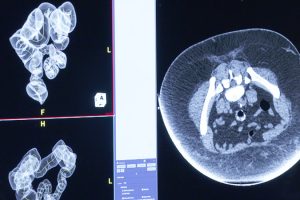

According to the American Cancer Society, colorectal cancer is the third-leading cause of cancer-related deaths in men and women in the United States. The good news is that colorectal cancer has a 90% survival rate when it's detected in the initial stages.
PROMOTED

One of the toughest things a patient can go through is EPL, and it's to be dealt with on an emotional level. Access Health sat down with OBGYN Dr. Jay Cohen, to help us understand more about the causes and symptoms of unintentional early pregnancy loss and why it’s important to discuss your symptoms with your healthcare provider.
PROMOTED

Ereka Vetrini sits down with new Access Health correspondents and twin sisters Dr. Katie Friedman and Dr. Alison Streit from Forever Freckled to have a candid discussion about miscarriage and infertility, issues with which both women, unfortunately, have intimate knowledge and experience.
PROMOTED

A Personal Perspective of Common Events in Women's Lives. Ereka Vetrini sits down with new Access Health correspondents and twin sisters Dr. Katie Friedman and Dr. Alison Streit from Forever Freckled to have a candid discussion about miscarriage and infertility, issues with which both women, unfortunately, have intimate knowledge and experience.
PROMOTED
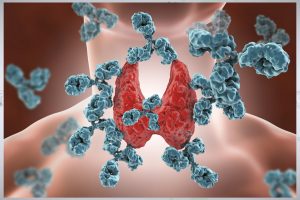
Innovations in Testing for Thyroid Antibodies. According to the American Thyroid Association, women are five to eight times more likely than men to be diagnosed with thyroid disease. Since two of the most common Thyroid conditions, Graves' Disease and Hashimoto's disease, are autoimmune in nature, their symptoms may often be confused with other health problems, which can make reaching a diagnosis a long and puzzling process for some sufferers.
PROMOTED

Prescription assistance programs, or PAPs, have been part of the healthcare system for many years, providing millions of qualifying patients with prescription medicines for low or no cost.
PROMOTED

Bladder leakage is very common. In fact, 1 out of 4 women over 35 experiences reduced or no bladder control. Dr. Richard A. Conlen, M.D., F.A.C.O.G. joins us to discuss why this happens and offers tips and advice on managing our symptoms.
PROMOTED

Bladder leakage is very common. In fact, 1 out of 4 women over 35 experiences reduced or no bladder control. Dr. Richard A. Conlen, M.D., F.A.C.O.G. joins us for some "girl talk" to discuss why this happens and offers tips and advice on managing unexpected bladder leaks. Also, thanks to the folks from TENA USA, we take an in-depth look at what kind of products can help you feel more secure and confident. With TENA incontinence products, you can relax knowing you've got triple protection from leaks, odor, and moisture.
PROMOTED
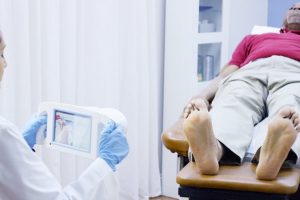
Foot and ankle specialist Dr. Aksone Nouvong joins Access Health to help us understand how having both diabetes and peripheral artery disease (PAD) increases the potential for foot complications. People living with diabetes often have neuropathy, where you can't feel foot problems when they occur. When neuropathy occurs in people with PAD, ulcers can develop over foot deformities and may never heal.

[adrotate banner="2"]